News from the LFF
Welcome to the news page of the Research Centre for Vehicle Safety (LFF). Here you will mainly find up-to-date insights into our current research work, but also general topics relating to the LFF. We hope you enjoy reading.
2026
June 2026 – Paper presented at the IEEE Intelligent Vehicles Symposium, USA
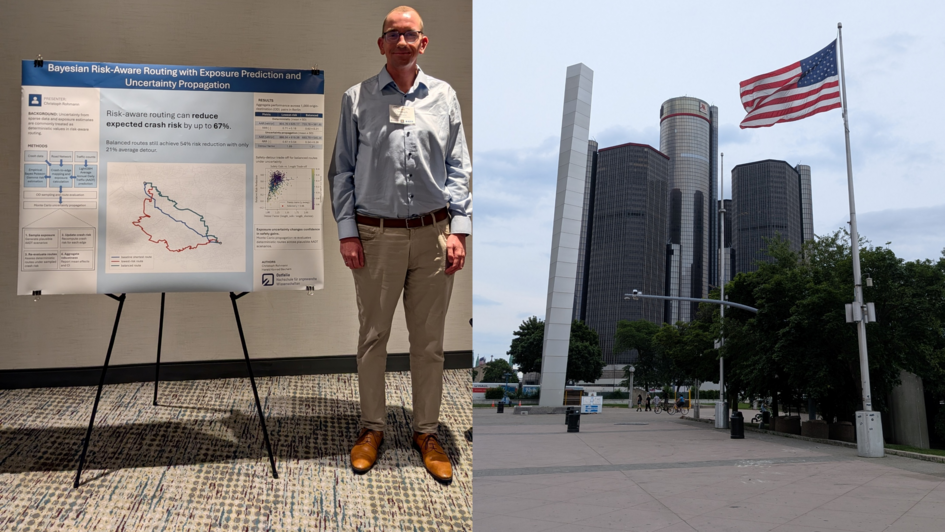
At this year’s IEEE Intelligent Vehicles Symposium, we had the opportunity to present our latest research findings to an international audience of researchers. The conference took place at the historic Renaissance Centre in Detroit.
In our conference paper entitled “Bayesian Risk-Aware Routing with Exposure Prediction and Uncertainty Propagation”, we presented a method that combines historical accident data and predicted traffic volume within a statistical risk model and uses this as a weighting factor for safety-optimised route planning. This is intended to enable intelligent vehicles to determine a route with the lowest possible modelled accident risk as early as the planning phase.
With around 300 accepted papers, the conference offered a wide range of presentations, poster sessions and keynote speeches in the field of intelligent driving systems.
May 2026 – Conference paper presented at IEEE ROSE in Norfolk, USA
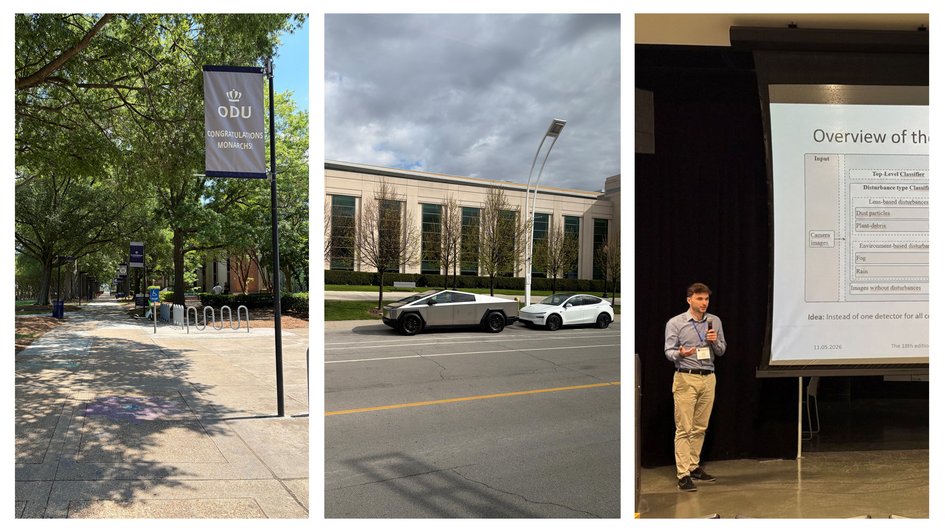
At the 18th IEEE International Symposium on Robotic and Sensors Environments (IEEE ROSE) in Norfolk, Virginia, the paper ‘Agri-MoE: A Disturbance-Aware Mixture-of-Experts Framework for Robust Object Detection in Autonomous Agriculture’ was presented.
The paper addresses the improvement of the robustness of camera-based object detection for automated systems in agriculture. It focuses on challenging environmental and camera disturbances such as fog, rain, dust or plant debris, which can significantly impair the performance of conventional detection methods. By combining disturbance classification with specialised CNN-based expert detectors, the reliability of object detection was significantly improved compared with conventional approaches.
In addition to the presentation, the conference offered numerous opportunities for professional exchange with international researchers from the fields of robotics, sensor technology and computer vision.
May 2026 – Presentation at the ESV Conference in Toronto, Canada
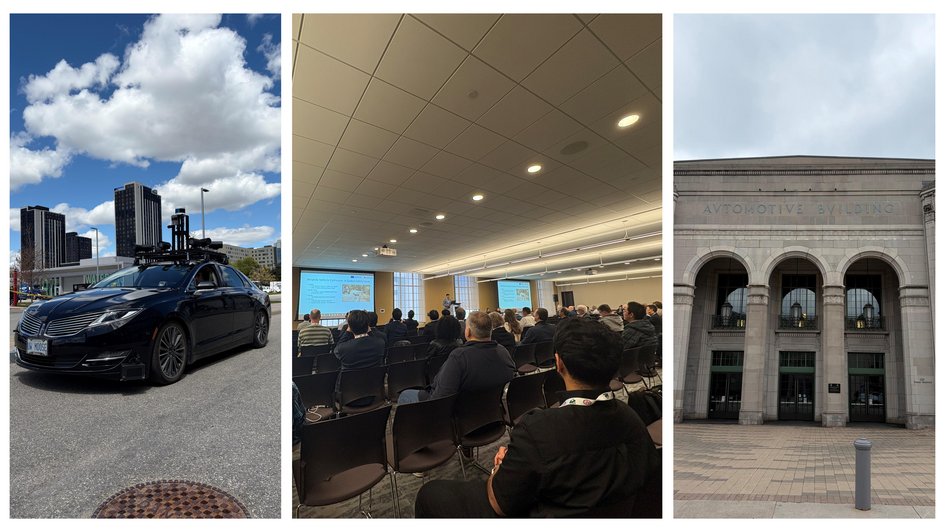
The paper ‘Robust AI-Based Deer Detection for ADAS in Adverse Weather Conditions’ was presented at the Enhanced Safety of Vehicles (ESV) Conference in Toronto, Canada. The ESV Conference is one of the world’s leading conferences in the field of vehicle safety and automotive safety.
The paper investigated how AI-based wildlife detection for camera-based driver assistance systems – particularly for functions such as Automatic Emergency Braking (AEB) – can be made more robust under adverse weather conditions. The focus was on critical environmental factors such as fog and rain, which can significantly reduce the performance of visual perception systems. Through systematic training strategies using synthetically generated, weather-affected image data, earlier detection distances and significantly improved detection performance were achieved. Another key contribution of this work is a methodology for the data-driven generation of realistic wildlife collision test scenarios for the validation of camera-based ADAS functions.
2025
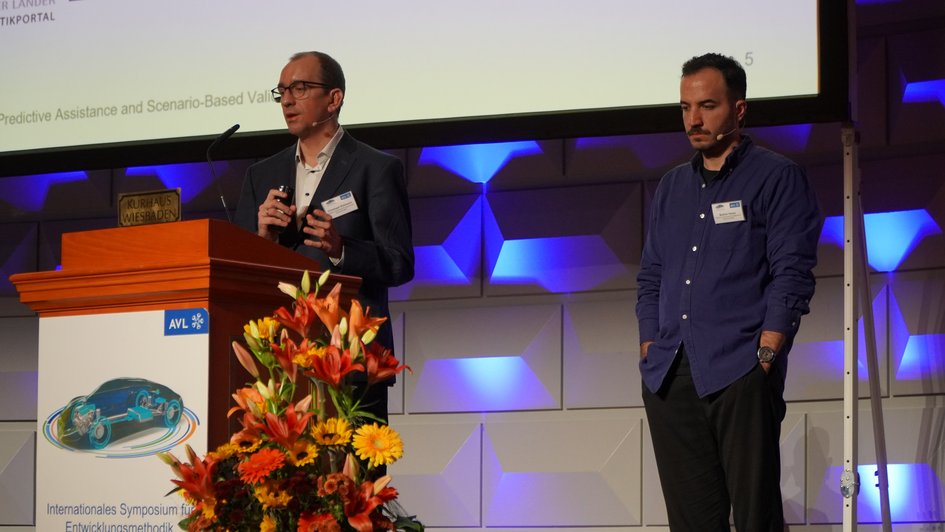
November 2025 - Two publications at the 11th International Symposium on Development Methodology
The LFF was represented at the 11th International Symposium on Development Methodology at the Kurshaus in Wiesbaden with two publications. Under the titles "Predictive Driver Assistance for Crosswind-Induced Vehicle Instability: Simulation-Based Analysis" and "Automated Generation of Test Scenarios for Automated Driving Systems Using Accident Databases", Bashar Hoary and Christoph Rohmann gave a joint presentation on the potential of using historical accident and weather data for scenario generation for testing preventive wind warning systems.
July 2025 - Publication in Journal of Advances in Information Technology
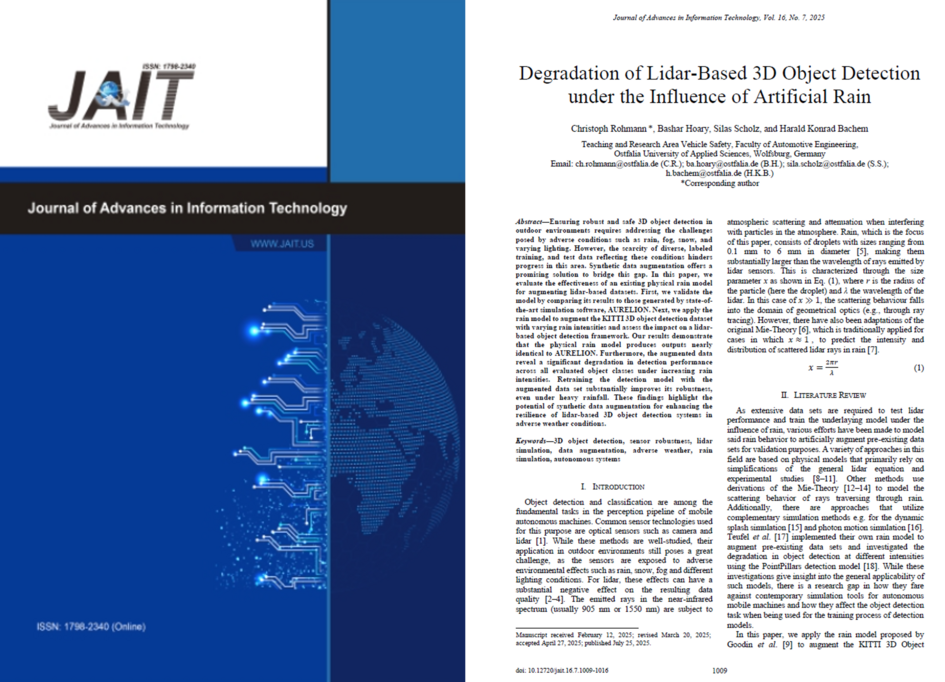
Our publication on the degradation behaviour of lidar-based object detection under the influence of rain was published in the Journal of Advances in Information Technology (JAIT) and can be viewed at the following link:
https://www.jait.us/show-256-1725-1.html (external link, opens in a new window)
The underlying research was funded by the Japan Society for the Promotion of Science (JSPS), the European Regional Development Fund (ERDF) and the state of Lower Saxony. The latter was part of the ERDF innovation network GESAL.
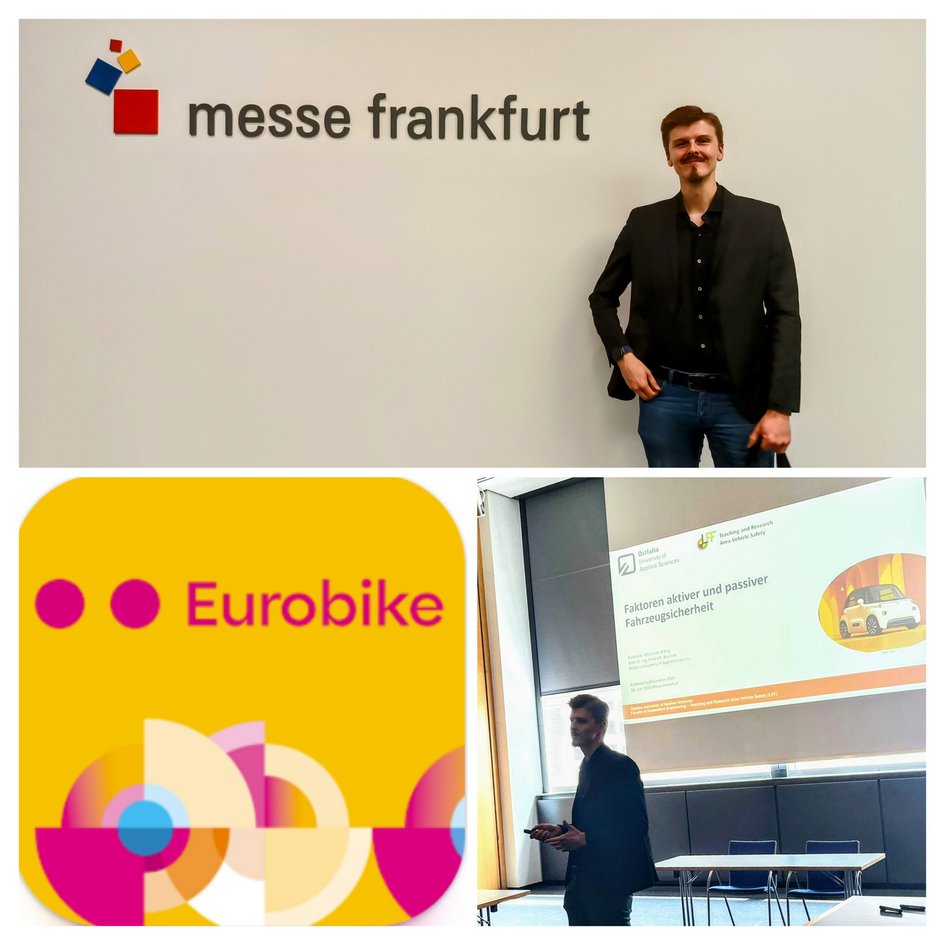
June 2025 - Lecture at Ecomobility@Eurobike
At Ecomobility, Roland Marciniak gave a presentation on safety-relevant aspects of micro-vehicles and thus made a technical contribution to the further development of micro-mobility in urban areas.
June 2025 - Publication on the ICD2025
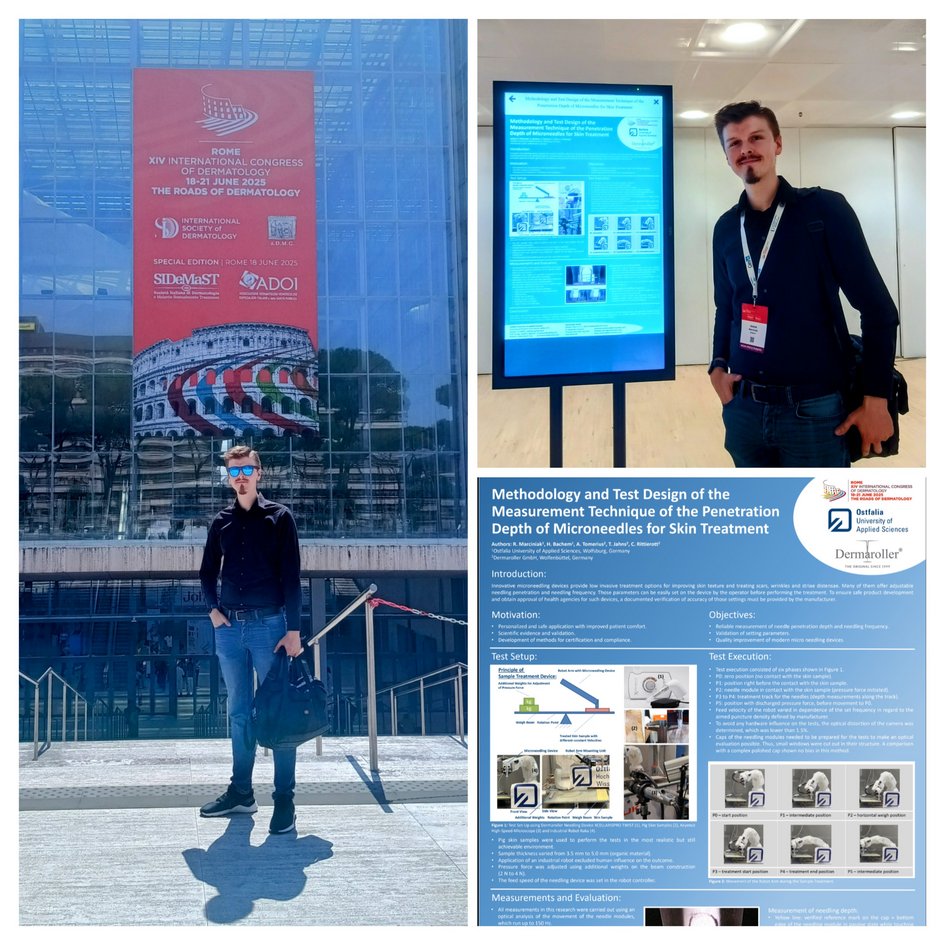
As part of the ICD2025 conference in Rome, the study "Methodology and Test Design of the Measurement Technique of the Penetration Depth of Microneedles for Skin Treatment" was presented, which was developed in collaboration with the company Dermaroller GmbH.
June 2025 - Conference presentation at the ICCEE in Singapore
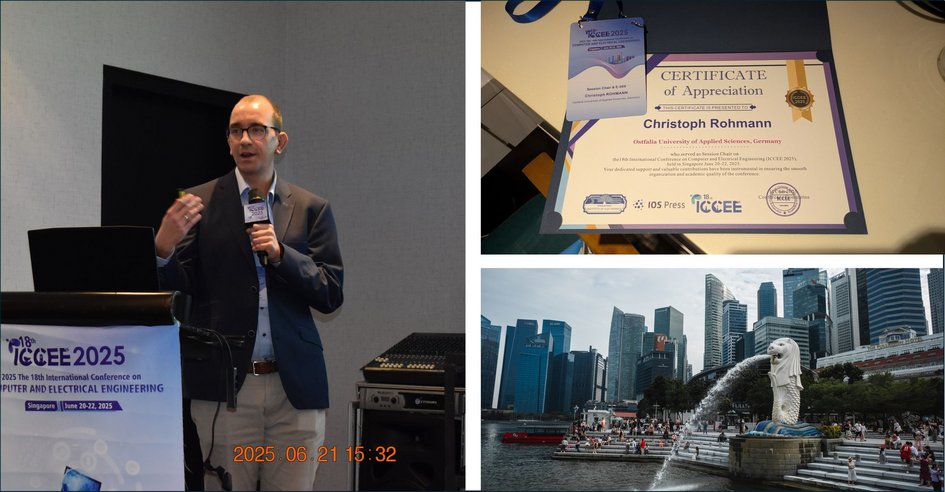
At the 18th International Conference for Computer and Electrical Engineering (ICCEE) in Singapore, Christoph Rohmann gave a presentation on the degradation behaviour of lidar-based object recognition under the influence of modelled rain. The presentation was part of a journal publication in the Journal for Advances in Information Technology (JAIT). In addition to the lecture, Rohmann moderated the session "Intelligent Image Analysis and Processes" as session chair.
June 2025 - Teaching export and research cooperation with the CDHAW
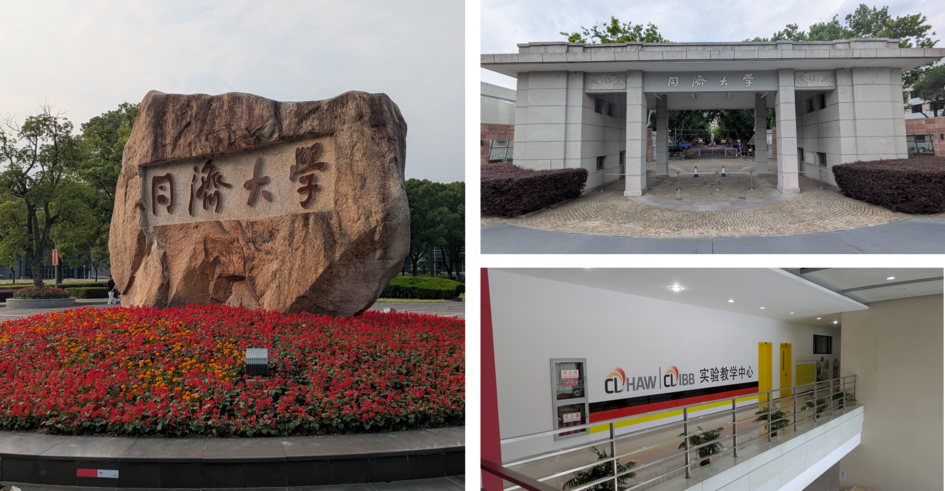
As part of the cooperation between Ostfalia and the Chinese-German University of Applied Sciences (CDHAW) at Tongji University, Christoph Rohmann travelled to Shanghai to give a lecture on battery safety in electric vehicles at the CDHAW. In addition to the teaching programme, Rohmann exchanged ideas with researchers from Tongji University on collaboration opportunities in the context of autonomous driving. The first joint publications are already being planned.
March 2025 - GESAL research project kick-off
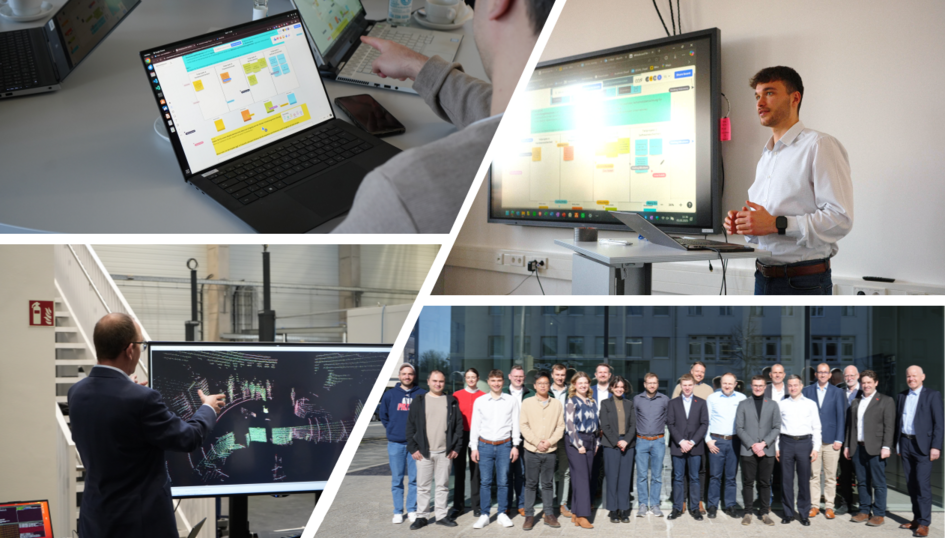
The research project GESAL - Holistic development guidelines for a feasible safety and automation concept for agricultural machinery - was launched on 5 March 2025. Under the direction of Prof Dr Harald Bachem, the IFBW hosted the project kick-off. Silas Scholz and Christoph Rohmann were responsible for the organisation.
Participating partners:
Ostfalia University, TU Braunschweig, TU Clausthal as well as industry and association representatives such as dSPACE, AMAZONEN-WERKE, AGCO, KRONE, KTBL, VDI e.V. and the AEF.
Three workshops provided initial impetus:
- Code of Practice: Industry standards for automation (S. Scholz, T. Hubert)
- Worst-case scenarios: Technical risks (L. Gerloff, S. Walther)
- AI Act meets AgriTech: Legal framework for autonomous systems (T. Hubert)
2024
December 2024 - Visit by students from Rotterdam
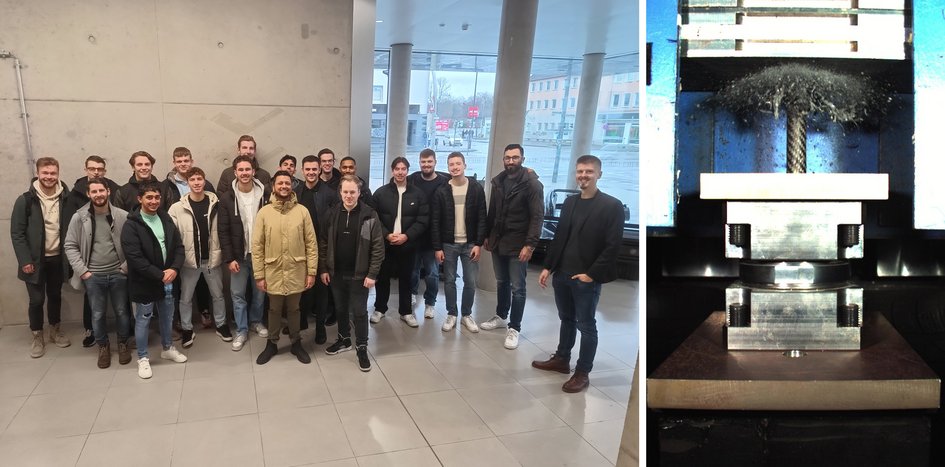
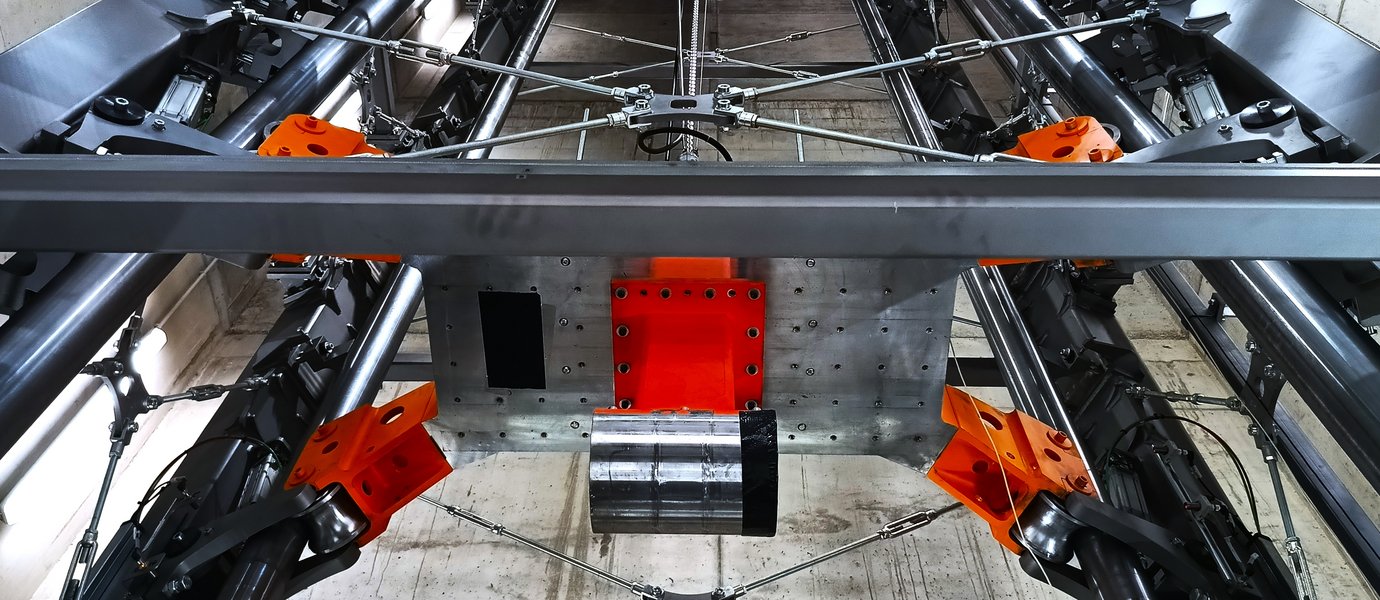
Under the umbrella of the existing university cooperation, students from the Hogeschool Rotterdam visited the institute building and took part in a guided tour of the premises and test benches; in addition, Mr Jacco van Nieuwaal completed an internship in the winter semester 2024 under the supervision of Roland Marciniak with a focus on drop tower tests on CFRP crash tubes to validate crash behaviour.
November 2024 - Completion of the Safe(F)light research project
The "Safe(F)Light" project focused on the development of a safety- and weight-optimised seat frame, an adaptive, energy-absorbing belt system and a simulation-based validation method to increase efficiency in the approval process - with the aim of significantly increasing safety in the event of crashes in small aircraft and UAM systems. The final project event took place in November 2024 at the Ostfalia University of Applied Sciences in Wolfsburg.
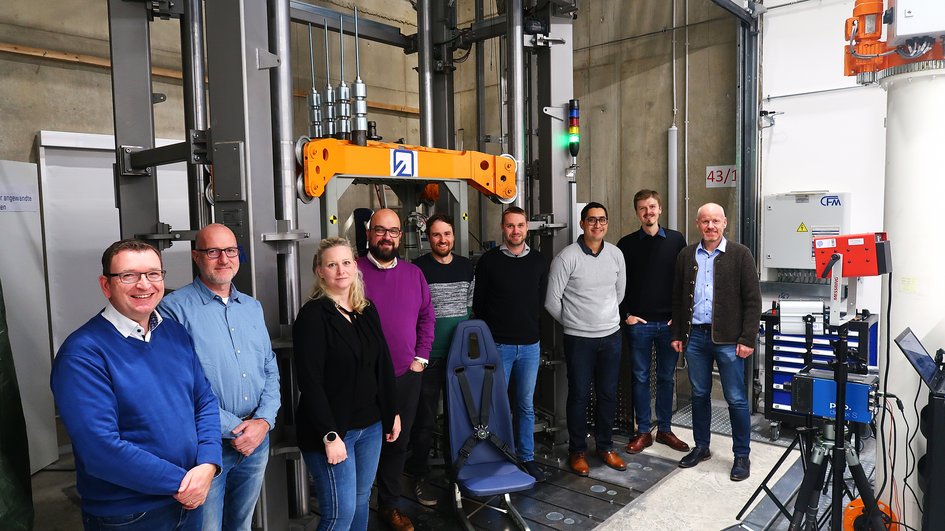
October 2024 - WindMate attendance date
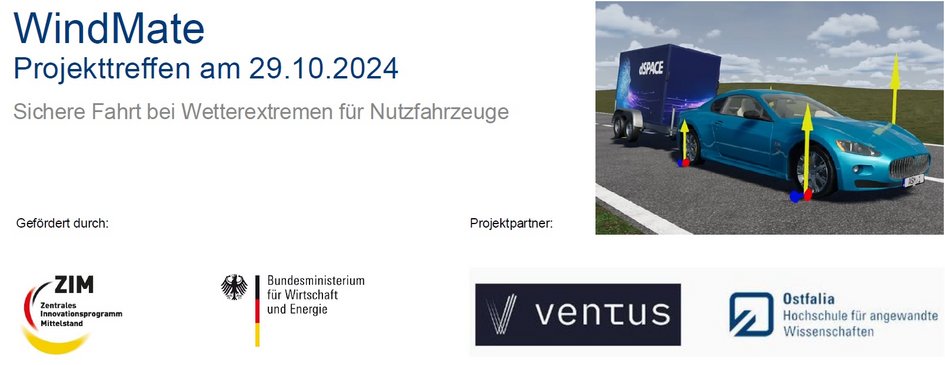
As part of the WindMate research project, a project meeting was held at Ostfalia University in Wolfsburg in October 2024. The aim of the on-site meeting was to intensively discuss the system components and interfaces of the planned high-wind warning system. In addition to presenting the results to date, the focus was also on getting to know each other personally and working directly with the project partner Ventus, which further strengthened the close cooperation.
September 2024 - 13th DIQ Symposium - Vehicle bodies in the course of time
For many years, Prof Harald Bachem has been the scientific director and moderator of the DIQ Symposium, which takes place annually in the run-up to the KÜS Annual General Meeting. In 2024, the focus at the Ingolstadt conference venue was on the development of the vehicle body against the backdrop of the increasing electrification of vehicles. The importance of passive vehicle safety in vehicle development was demonstrated, among other things, by a presentation from Volkswagen on the core topics of safety development in the ID.7.
July 2024 - Research discussions at Nagoya University in Japan
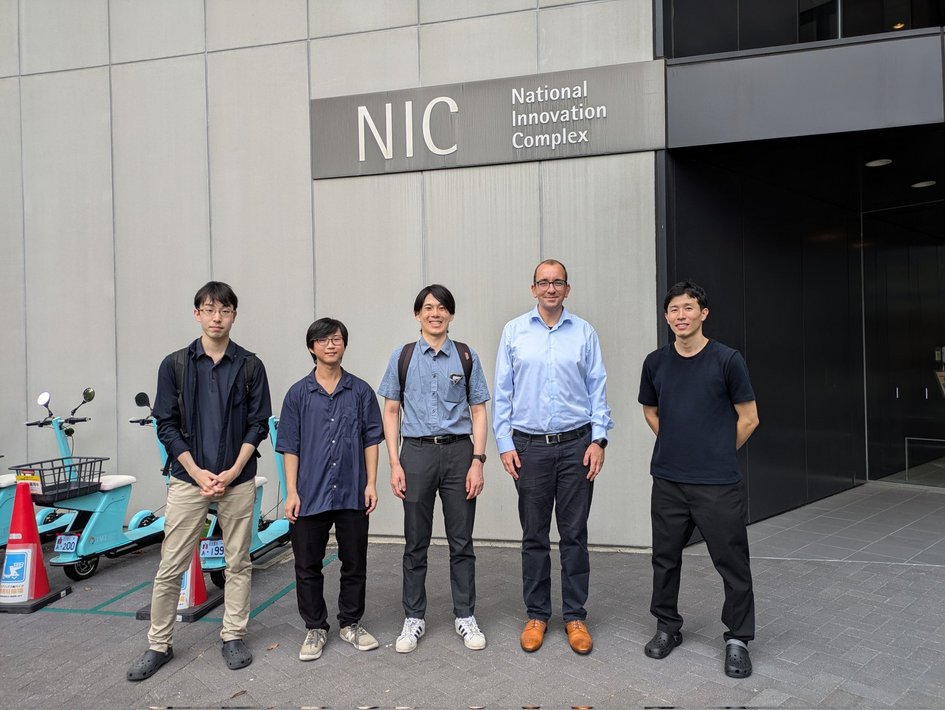
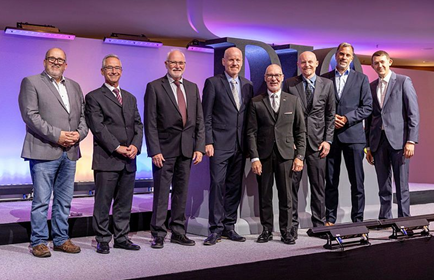
During his research visit to Japan, Christoph Rohmann took part in a panel discussion on autonomous driving at Nagoya University in Nagoya. The research-related exchange was organised by Dr Naoki Akai, who is working on autonomous driving issues at Nagoya University. Dr Shigemichi Matsuzaki from the Research Frontier Center of the Toyota Motor Corporation took part alongside other representatives from Nagoya University. The scientific discourse revealed many interfaces that are to be expanded in joint research projects in the future.
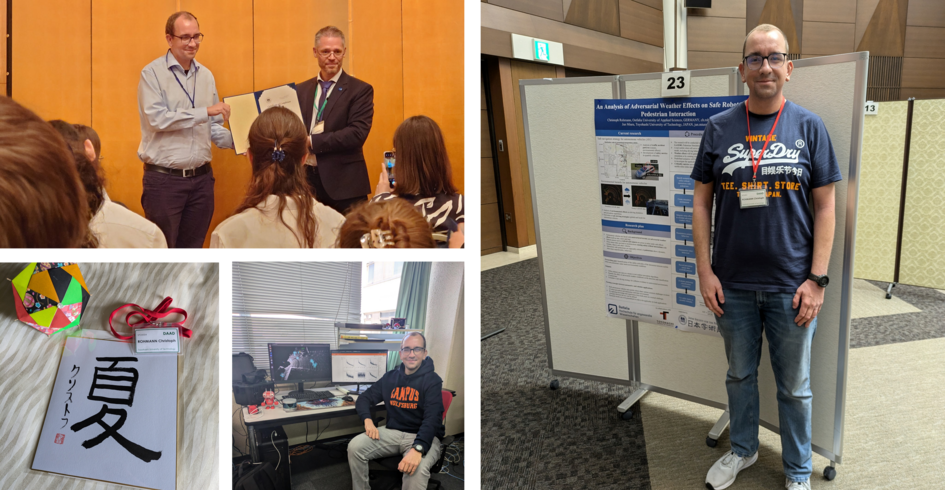
June 2024 - Research stay in Japan
As part of the JSPS Summer Programme sponsored by the Japan Society for the Promotion Science (JSPS), Christoph Rohmann completed a nine-week research stay at Toyohashi University of Technology (TUT) in Toyohashi, Japan. During this time, Rohmann worked in the Active Intelligent Systems Laboratory (AISL), headed by Professor Jun Miura, on the degradation behaviour of lidar-based object recognition under the influence of rain.