
Loneliness as a pedagogical challenge
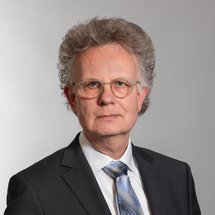
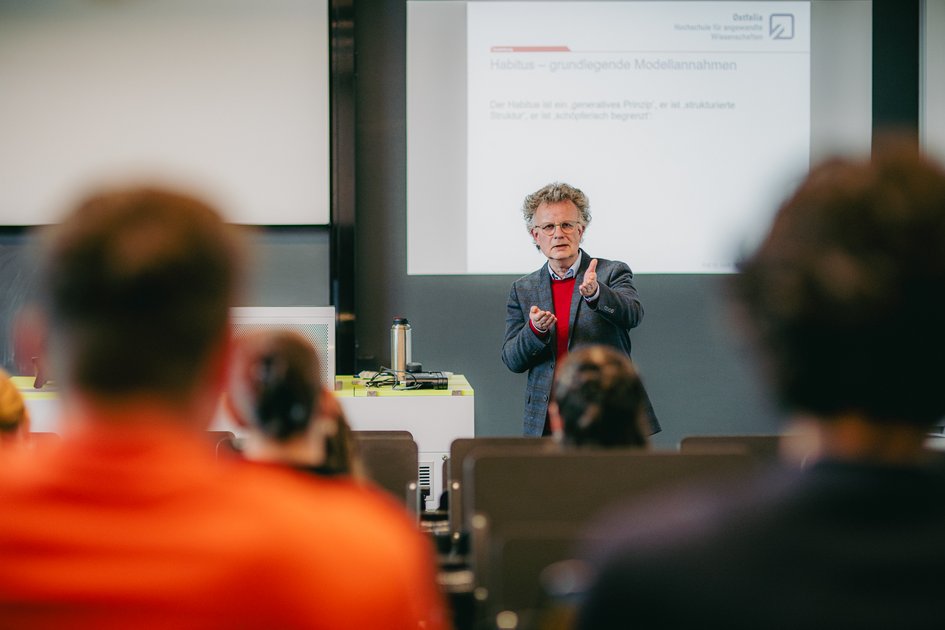
Prof Dr Detlef Gaus dedicated his research semester to a highly topical social issue: loneliness. Building on earlier work on the tension between closeness and distance, he analysed loneliness from a historical-systematic perspective of social pedagogy.
In doing so, he questions common public discourses that present loneliness primarily as a problem. Instead, he also emphasises its fundamental importance as part of human existence. Following Helmut Schelsky and Wilhelm von Humboldt, he analyses the connection between loneliness and freedom.
The aim of his research was to develop theoretical foundations for an "education for loneliness". The results were not only analysed scientifically, but also communicated practically - for example as part of the interdisciplinary "Uelzen Forum".
A key specialist article was published in peer-reviewed form in the renowned Pädagogische Rundschau (external link, opens in a new window). Further publications, including an anthology on the topic of "Care and Education", are in preparation.
Social media and rare diseases
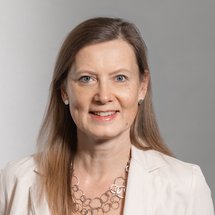
During her research semester, Prof Dr Antje Baumgarten investigated the role of social media in dealing with rare diseases. The focus was on so-called "medical mums", parents of children with serious or chronic illnesses who use platforms such as Instagram and TikTok to share their experiences.
Accounts relating to the rare diseases Progeria and Sanfilippo syndrome were analysed. The aim was to analyse their reach, visibility and content design.
In terms of methodology, the study combined quantitative analyses - for example on reach - with qualitative content analyses according to Mayring. In addition to posts, user comments were also included.
The results show that these accounts achieve a wide reach and are operated not only by mothers, but also by fathers and other relatives. The term "medical caregiver" was therefore introduced. Many of these profiles reach a wide audience as so-called macro-influencers.
Their content is dominated by insights into everyday family life, medical challenges and emotional coping strategies. This is supplemented by activist content and occasional commercial posts. The reactions of the community are predominantly supportive and characterised by a high level of emotional involvement.
A scientific article on the results has already been submitted and is currently in the review process.
Research between Suderburg and Silicon Valley
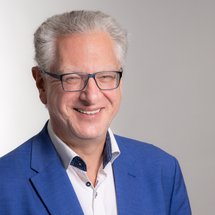
Prof. Dr Markus A. Launer used his research semester for an international project on decision-making behaviour in companies. The focus was on a measuring instrument he developed that analyses rational and intuitive decision-making processes in a differentiated manner.
Following successful validation in Germany, the model was analysed in a total of 15 countries and scientifically confirmed in several countries. A particular focus is on cultural influences, such as philosophical concepts from India or Confucian values in China.
At the same time, Launer is researching the role of artificial intelligence in decision-making processes. He has presented his work at international conferences and during visits to Beijing, Taipei and technology centres such as Shenzhen.
Another highlight was his stay in Silicon Valley, where he looked at current developments in the digital economy - from AI to autonomous driving.
Research with a global and social impact
The three research semesters impressively illustrate the breadth of academic work at the Faculty of Business and Social Work: from fundamental pedagogical theorising and current social issues in the digital space to globally networked AI and management research.
Together, the projects show that research addresses both international developments and specific social challenges, thus providing important impetus for science, teaching and practice.