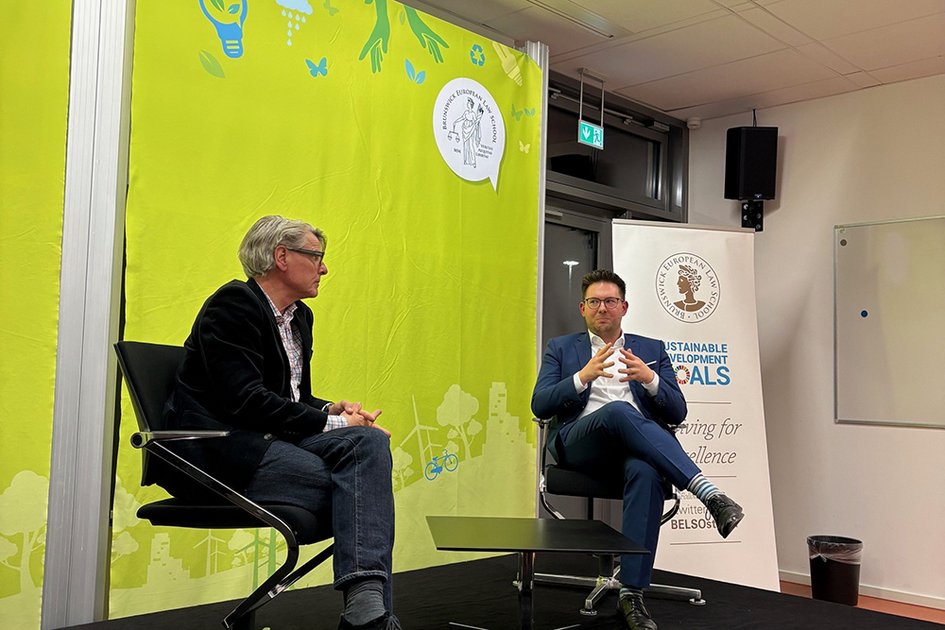

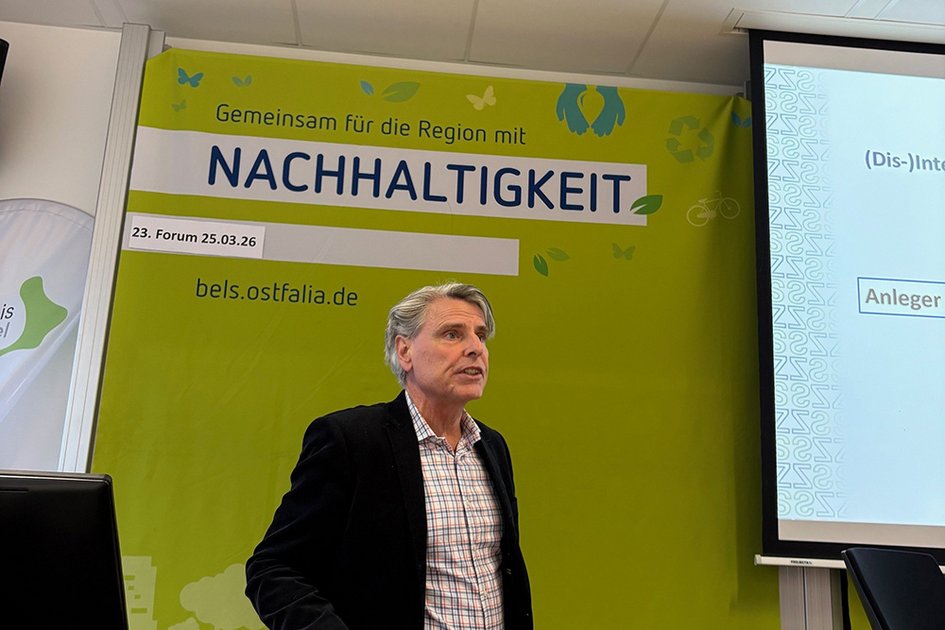
The 23rd Sustainability Forum organised by the district of Wolfenbüttel and BELS examined the practices of influencers in social media who advertise sustainable financial investments on Instagram, TikTok and the like. The legal challenges associated with this and the impact of the new media framework conditions on the platforms were highlighted.
The so-called "finfluencers" are "influencers" who deal with the topic of "finance". Social media generate frameworks that serve certain narratives with completely new platform and emotional logics: Prof. Dr Harald Rau from the Institute for Media Management at Ostfalia, for example, demonstrated the mechanisms by which influencers in the financial sector influence people's investment behaviour.
Finfluencers would also contribute in a positive sense to improving financial literacy ("digital financial education"), while the classic "FOMO approach" ("fear of missing out - FOMO") would also harbour major disadvantages.
"FOMO is the fear of missing out on potentially rewarding social or status-relevant experiences that others are having - combined with a strong urge to stay informed and connected," says Rau. In his opinion, effective media governance should be orientated towards these platform logics and start directly with the finfluencer business models.
Prof Dr Oliver Kreutz LL.M. then gave an insight into the legal situation regarding the protection of fair competition in social media in his presentation on the "fairness regulation of influencers". The core problem here is the categorisation of new advertising methods. When does a post constitute advertising for another company, when is an influencer only advertising for themselves and where can the line be drawn in between?
Using some practical examples from the internet, Prof. Kreutz categorised the legal "separation and labelling" as regulated in the Unfair Competition Act (UWG). "Almost all (97 per cent) of the influencers surveyed regularly publish content with a commercial background on their profiles. However, only around 20 per cent of them consistently label this as advertising," said Kreutz.
Finally, Prof. Dr iur. Udo W. Becker explored the question of the authorisation requirement for finfluencers and addressed the risk of market manipulation and insider trading.