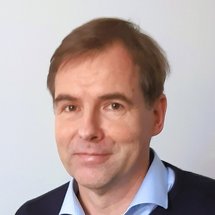

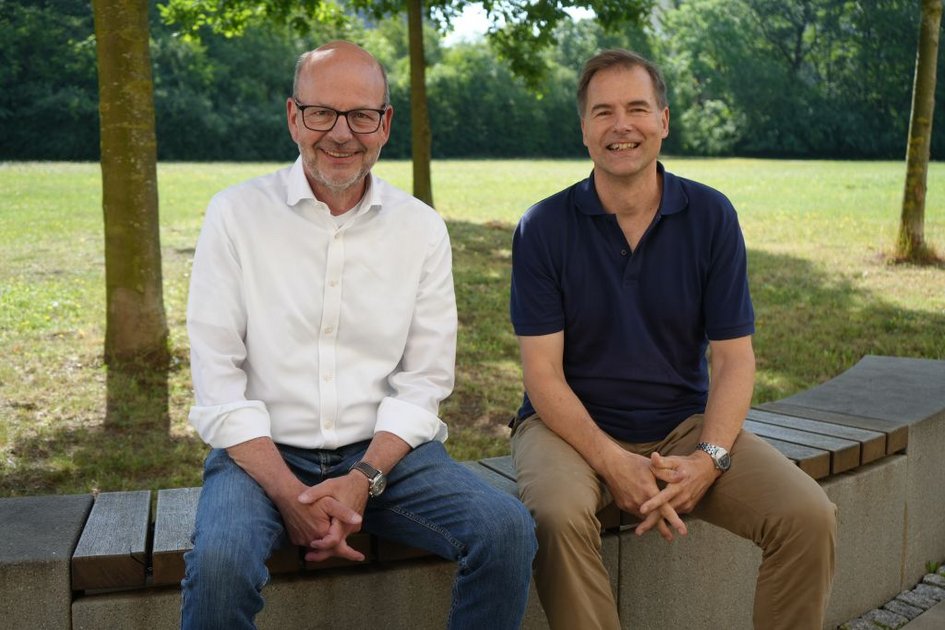
Robots are no longer the stuff of science fiction. They are now ubiquitous, from industry to domestic life. But how well-placed is Germany really in the field of robotics? Which technologies will shape our future? And how do we fare in comparison with the rest of Europe and the world? We’ll be exploring these questions together with Prof. Dr.-Ing. Holger Brüggemann. He’ll be giving us an insight into the current state of robotics, the international competition and the key developments that could transform the economy and society.
Holger Brüggemann is Professor of Robotics, Quality Management and Resource Efficiency at our Ostfalia campus in Wolfenbüttel. His research focuses, amongst other things, on human-robot collaboration, the training of skilled workers in the use of robotics, and the AI-driven transformation of the circular economy.
Listen to the new podcast episode now
The episode “Robots made in Germany” is now available on all major podcast platforms – including Spotify, Apple Podcasts and other providers.
https://linktr.ee/einfachforschung (external link, opens in a new window)
“Einfach Forschung” is the podcast from Ostfalia University of Applied Sciences. Every two weeks, researchers and experts from academia and industry discuss current social, technological and scientific developments. Presented by Prof. Dr Heinz-Dieter Quack, the podcast provides accessible and practical insights into topics such as digitalisation, mobility, sustainability, the economy and applied research.