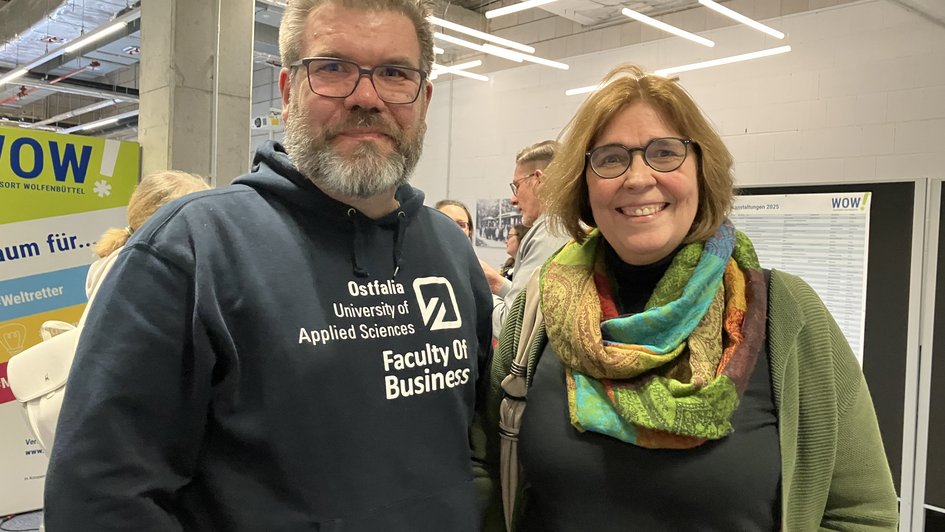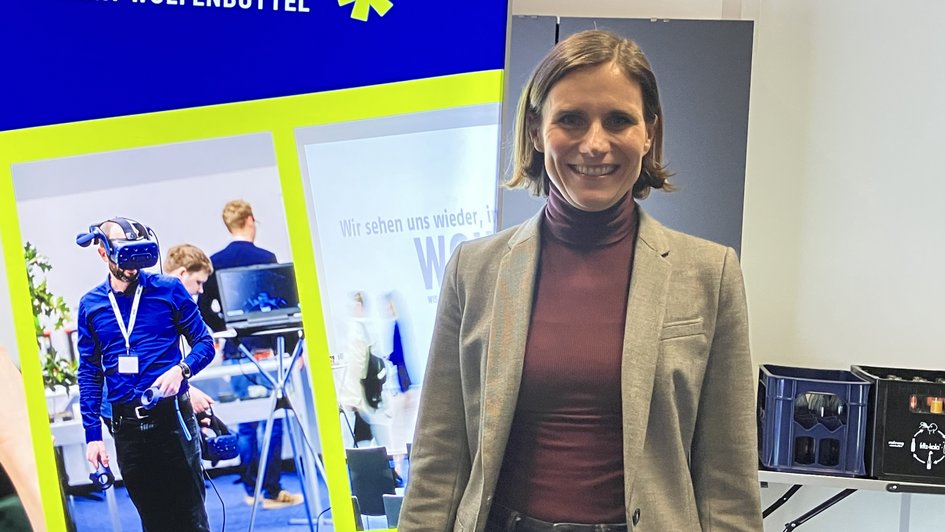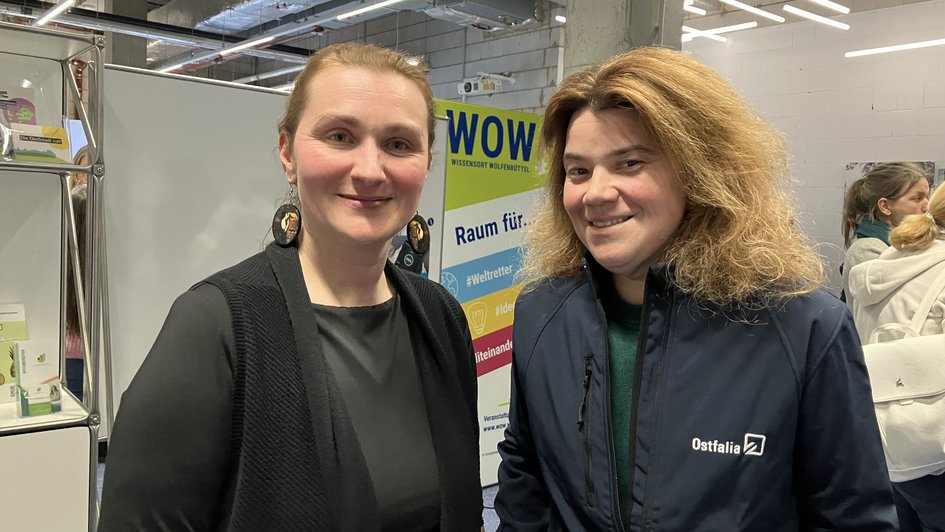

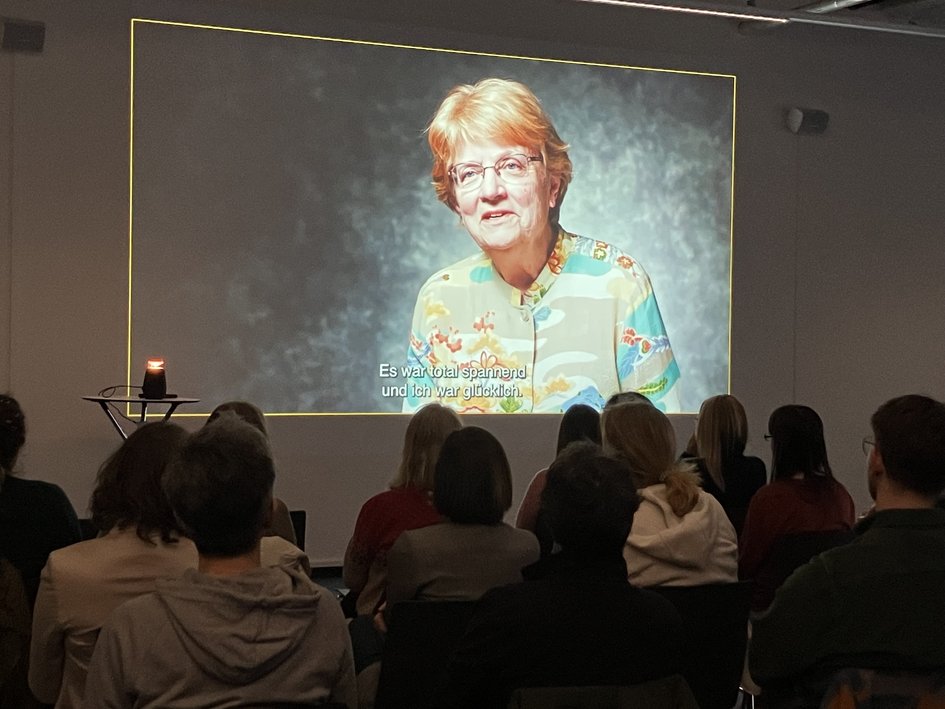
Working as a woman in science is a double-edged sword. Both the protagonists in the documentary film "Picture a Scientist" (USA 2020) and the 40 female scientists at the WOW! WissensOrt Wolfenbüttel agree on this. They accepted the invitation from the Equal Opportunities Office, represented by Julia Weiß, Central Equal Opportunities Officer at Ostfalia, and Jessica Ficek and Hendrik Törber from the PRoProf project, to discuss the topic of women in science in a relaxed atmosphere. As this was a hybrid event, a further 30 members of the audience followed the event via video transmission.
Lots of light and lots of shade: Women scientists report
On the one hand, research and teaching are fulfilling and great fun; on the other hand, it is still evident that women find it difficult to make a name for themselves, especially in the STEM subjects (science, technology, engineering and mathematics). Their tools are used without being asked, they have smaller laboratories and are not recognised as professors, but are mistaken for assistants. This is reported by biologist Nancy Hopkins, chemist Raychelle Burks and geologist Jane Willenbring.
Hopkins, Burks and Willenbring vividly describe their experiences, which consist of systematic devaluation, regular humiliation and sexual harassment. Those present on site are shocked. It is very quiet when Burks tearfully describes how much harder she has to fight for acceptance as a "woman of colour". When it is mentioned towards the end of the film that the mountain in Antarctica, which bore the name of the doctoral supervisor who had made Willenbring's life hell, has been renamed, the feeling of justice spreads.
Over snacks and cold drinks: lively discussion after the film
Female professors at Ostfalia have also experienced disrespect in the course of their careers, which is solely due to their gender, reports Dr Michaela Huhn, Professor of Software Engineering at the institute of the same name and decentralised equal opportunities officer for the Faculty of Computer Science. She also notes: "Boys are much more frequently attributed exceptional talent and genius than girls."
Dr Denis Royer, Dean of the Faculty of Business and Professor of E-Business and Digital Transformation, assumes that the situation will definitely change in the next five to ten years, as many leaders are retiring and younger professors are taking over. Commenting on the incidents shown in the film, Royer says: "I'm glad that I don't know such cases personally. I don't doubt that they exist."
Dr Denise Sommer, Professor of Theory of Communication and Media Studies at the Institute of Public Communication and decentralised Equal Opportunities Officer at the Faculty of Transport, Sports, Tourism and Media, also notes that "the old bosses" are slowly becoming passé, but points out that a counter-movement can currently be observed. She therefore appeals not to stop campaigning for gender equality.