MyAfEB – Mycelium-based buoyancy devices for use in inland waters
More sustainable fishing: floats made from fungal mycelium
Can fungal mycelium replace plastic in angling and fisheries? As part of the MyAfEB project – ‘Mycelium-based buoys for use in inland waters’ – Ostfalia University of Applied Sciences is investigating how buoys made from mycelium-based materials can be developed. The aim is for them to be functional, water-resistant and, at the same time, biodegradable.
Less plastic in our waters
Plastic is used in many areas of fisheries and angling. It can become a problem when equipment is lost or when plastic particles enter water bodies as a result of abrasion and ageing. Floats and other buoyancy devices can also become a source of plastic particle pollution.
This is precisely where the MyAfEB research project comes in. The aim is to investigate whether it is possible to develop buoys made from mycelium-based materials that are suitable for practical use and, at the same time, biodegradable.
How does the concept work?
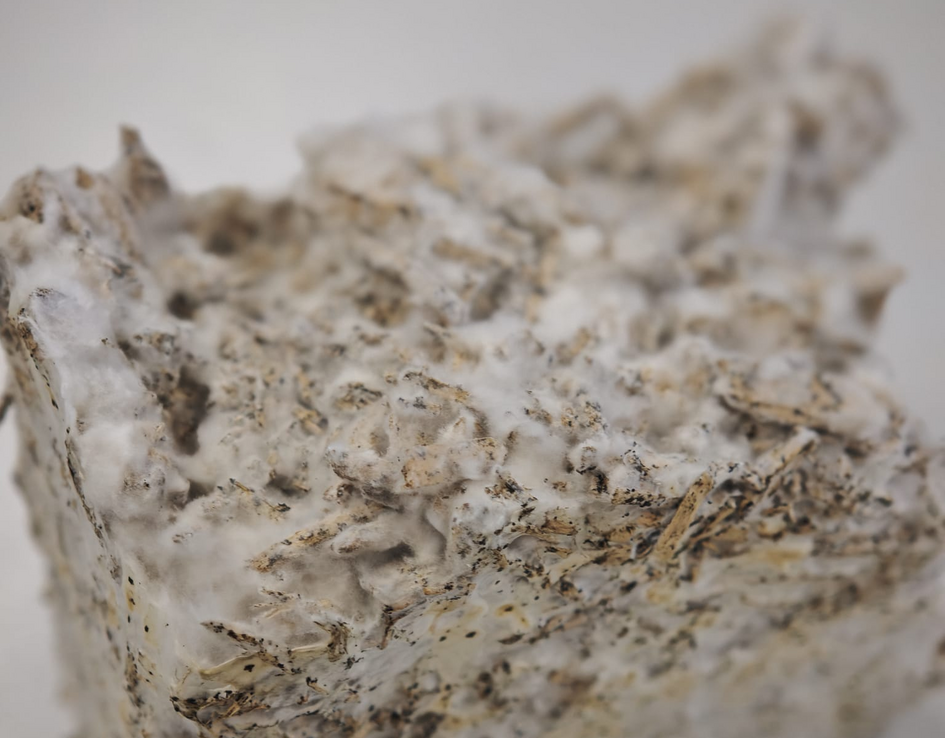
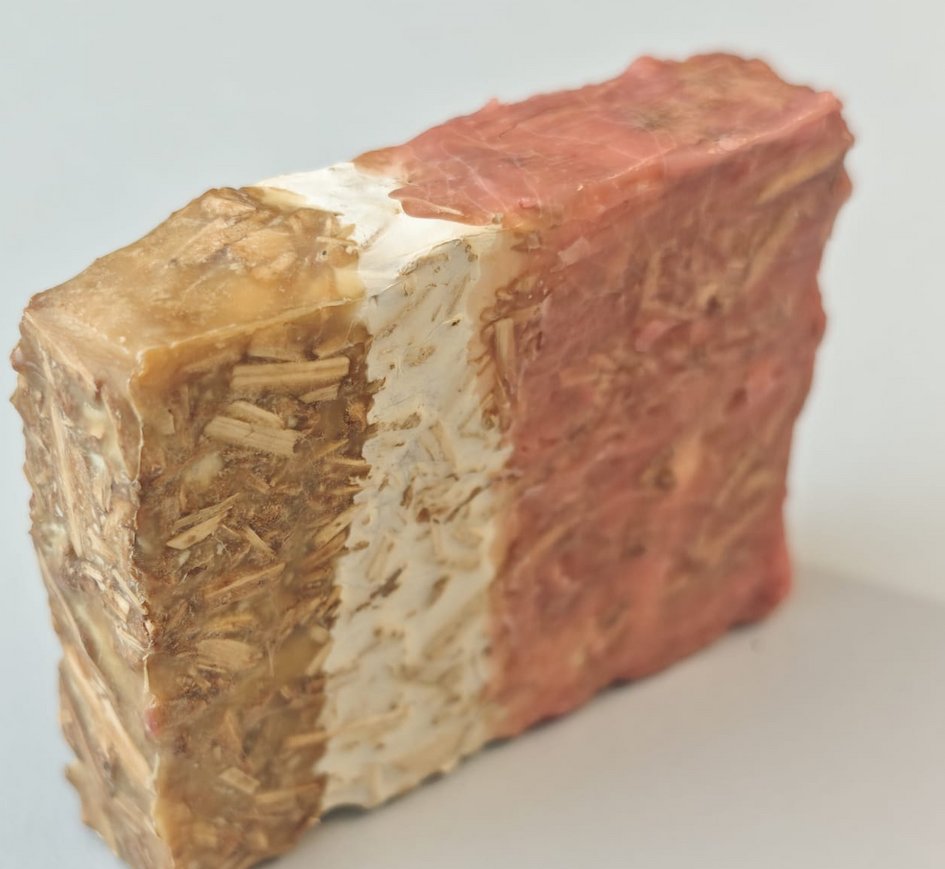
The basis is formed by porous structures made from natural or renewable raw materials, which are bound together by fungal mycelium. Building on this, various material compositions and manufacturing processes are being further developed to create flotation devices. The manufacturing process is designed in such a way that the mycelium does not continue to grow within the finished material.
From the laboratory to the water
Which combination of materials is best suited? How long can a buoyant body withstand contact with water? And is it stable enough for practical use?
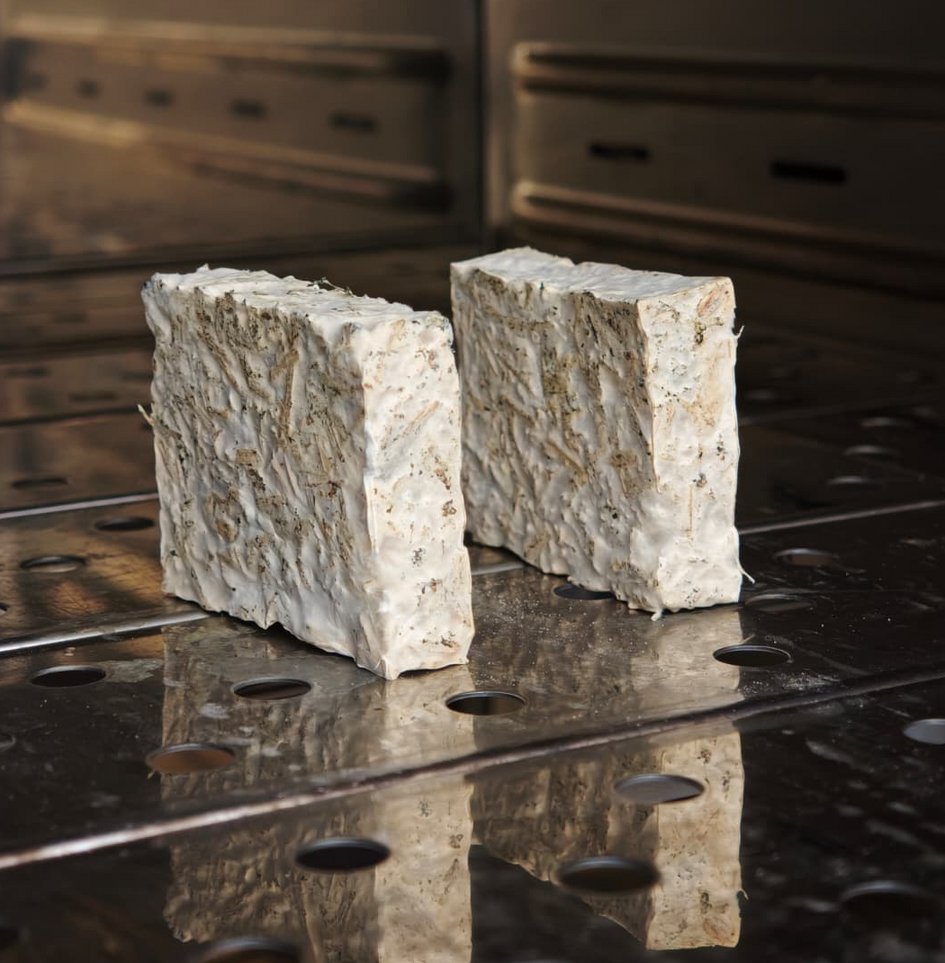
To answer these questions, suitable substrates and fungal strains are first selected and initial prototypes produced. These are tested in the laboratory for, amongst other things, dimensional stability, water absorption, buoyancy and mechanical strength. At the same time, different manufacturing processes as well as options for post-treatment and protective coatings are being investigated.
The prototypes developed will then be tested under real-world conditions in collaboration with industry partners. Feedback from fishing businesses and angling clubs will be incorporated directly into further development. In addition to technical functionality, the ecological impacts and economic prospects of the developed solutions will also be examined.
The aim: a biodegradable alternative
By the end of the project, optimised prototypes, suitable manufacturing processes and the necessary insights for subsequent field trials and a potential market launch should be in place.
Research meets practice
MyAfEB is being carried out across all Ostfalia University of Applied Sciences campuses in an interdisciplinary manner. Participants include the Institute for Recycling at the Wolfsburg campus and the Chair of Communication Management at the Salzgitter campus; in addition, the expertise of the Institute for Biotechnology and Environmental Research at the Wolfenbüttel campus can be drawn upon. Fishing businesses, angling clubs and other industry partners contribute requirements and practical experience from the field to the project.
The project is coordinated by Ostfalia University of Applied Sciences. The contact persons for the project are Prof. Dr. habil. Harald Rau and Prof. Dr.-Ing. Max Ehleben.
Funding and duration
MyAfEB is funded by the European Maritime, Fisheries and Aquaculture Fund (EMFAF) and the Lower Saxony Ministry of Food, Agriculture and Consumer Protection. The project will run from July 2026 to June 2029.
Project Management
Prof. Dr. phil. habil. Harald Rau
Building A, Room A.EG.38, Salzgitter
KomMa - Professur für Kommunikationsmanagement
Büro Mitarbeiterinnen und Mitarbeiter: A.EG.37 (CoWorking-Space), A.EG.40, A.EG.42

Prof. Dr. Ingo Johannsen
Building S, Room 002, Wolfsburg

Prof. Dr. Max Patrick Ehleben
Institutsleiter Institut für Recycling (IFR), Faculty of Automotive Engineering
Building C, Room 103, Wolfsburg
Institutsleiter IfR
Funding