
Biotechnology and environmental technology - Dual programme
Sustainability starts with you! Combine science with engineering! Our contents: Resource conservation. Environmental Engineering. Circular Economy.
Studying Bioengineering and Environmental Engineering in a combined practice programme means: theory and paid practice optimally combined. The degree programme combines bio and environmental engineering with practical phases in renowned companies.
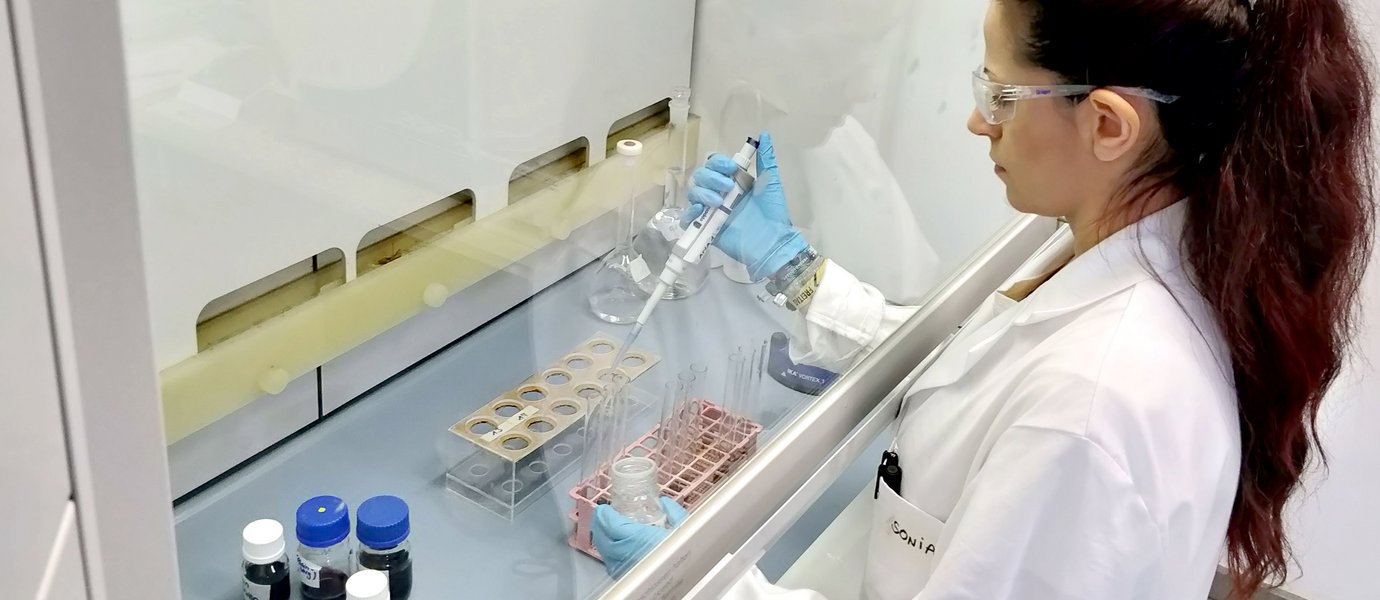
Microplastics, particulate matter, nitrate - our environment needs experts! The Bioengineering and Environmental Engineering degree programme prepares you for the major challenges: Analysing environmental pollution, developing innovative remediation concepts and preserving biodiversity with state-of-the-art biotechnology. Shape a sustainable future with us!
Are you specifically interested in degree programmes with a focus on the environment and the future? Discover our related degree programmes:
Bio and environmental engineering
Energy and Building Technology
Energy and building technology in practice
Industrial Engineering Energy/Environment
Industrial Engineering and Management Energy/Environment in the practice network
Facts at a glance
Start your Bio- and Environmental Engineering degree programme in a practical combination at Ostfalia
Become part of something big, show what you've got and rock the future with us. Ready? Let's go!
Apply online now (external link, opens in a new window)
Details of the degree programme
Typical professional fields of activity
- Biotechnological, pharmaceutical and chemical industry
- Environmental protection and monitoring
- Authorisation and supervisory authorities
- Utility companies
- Waste and wastewater management
- Recycling, renaturalisation and restoration of ecosystems
- Research and development
- Engineering and planning offices etc.
Important study contents
- Biological-chemical basics: e.g. organic and biochemistry, inorganic, physical and analytical chemistry, molecular, cell and microbiology
- Engineering fundamentals: e.g. mathematics, physics, electrical engineering, control engineering, digital planning/CAD, urban water management
- Environmental engineering applications: Terrestrial and aquatic ecosystems, air pollution control and exhaust gas purification, water, wastewater and waste technology, plant design and construction
- Applied biotechnology: bioprocess engineering, modelling & simulation of biotechnological processes, biotechnological production processes, material biomass utilisation
- Compulsory electives: specialisation laboratories for biotechnology and environmental technology, PIUS, bioeconomy
- Basic qualifications: Law/Business Administration, Management, Project work
Specialisation options
The elective subjects in the advanced semester allow you to hone your profile. You decide whether you want to study biotechnology and environmental technology with an experimental focus or project-based according to your interests.
- Biotechnology specialisation lab or bioeconomy project
- Environmental Engineering specialisation lab or Production Integrated Environmental Protection (PIUS) project
Note:
A stay abroad/degree with adouble degreeis possible
Study programme
- 1.-2nd semester: Basic studies
- 3.-4th semester: Operational phase
- 5.-6th semester: Specialised studies and operational phase
- 7.-8th semester: Specialised studies
- 9. Semester: specialisation project, Bachelor's thesis and colloquium
Apprenticeships
a.) Integrated training: Apprenticeships on request
b.) Practice-integrated / without completed vocational training
Both options require a contract with a practice partner.
Note: Regular start in the winter semester. Only the practice-integrated study option is possible in the summer semester.
Practice partner
Without apprenticeship
AGIMUS GmbH, Braunschweig (external link, opens in a new window)
Avacon Wasser, Wolfenbüttel (external link, opens in a new window)
BS|NETZ, Braunschweig (external link, opens in a new window)
Ibis Umwelttechnik GmbH, Wolfsburg (external link, opens in a new window)
Surfactor Germany GmbH, Schöppenstedt (external link, opens in a new window)
Possible Master's programme at the Ostfalia
Study plan
1.-5th semester Compulsory modules basic cluster Z (1.-5. Semester) Z1 Mathematics 1
Z2 Chemical-biological basics
Z3 Electrical engineering 1
Z4 Project 1: Scientific project on climate change
Z5 Mathematics 2
Z6 Thermodynamics 1
Z7 Physics
Z8 Digital planning with CAD lab
Z9 Fluid mechanics
Z10 Technical project / project management
Z11 Fundamentals of numerical programming
Z12 Urban water management
Compulsory modules subject cluster B Bio (1.-5. Semester) B1 Organic and Biochemistry
B2 Molecular and cell biology
B3 Analytical Chemistry
Compulsory modules Specialised cluster U Environment (1.-5. Semester) U1 Immission control/air pollution control
U2 Inorganic and Physical Chemistry
U3 Instrumental analysis
Operational phase / practical phase (3rd + 4th semester) (1.-5. Semester) The practical phase in the company usually takes place in the 3rd and 4th semesters.
Compulsory modules basic cluster Z (1.-5. Semester) Z1 Mathematics 1
Z2 Chemical-biological basics
Z3 Electrical engineering 1
Z4 Project 1: Scientific project on climate change
Z5 Mathematics 2
Z6 Thermodynamics 1
Z7 Physics
Z8 Digital planning with CAD lab
Z9 Fluid mechanics
Z10 Technical project / project management
Z11 Fundamentals of numerical programming
Z12 Urban water management
Z1 Mathematics 1
Z2 Chemical-biological basics
Z3 Electrical engineering 1
Z4 Project 1: Scientific project on climate change
Z5 Mathematics 2
Z6 Thermodynamics 1
Z7 Physics
Z8 Digital planning with CAD lab
Z9 Fluid mechanics
Z10 Technical project / project management
Z11 Fundamentals of numerical programming
Z12 Urban water management
Compulsory modules subject cluster B Bio (1.-5. Semester) B1 Organic and Biochemistry
B2 Molecular and cell biology
B3 Analytical Chemistry
B1 Organic and Biochemistry
B2 Molecular and cell biology
B3 Analytical Chemistry
Compulsory modules Specialised cluster U Environment (1.-5. Semester) U1 Immission control/air pollution control
U2 Inorganic and Physical Chemistry
U3 Instrumental analysis
U1 Immission control/air pollution control
U2 Inorganic and Physical Chemistry
U3 Instrumental analysis
Operational phase / practical phase (3rd + 4th semester) (1.-5. Semester) The practical phase in the company usually takes place in the 3rd and 4th semesters.
The practical phase in the company usually takes place in the 3rd and 4th semesters.
Why study Biological and Environmental Engineering in a practical programme at Ostfalia?
- 1.
-
You study with the pioneers:
As Lower Saxony's only faculty for supply engineering, we have been offering pioneering environmental engineering training with state-of-the-art laboratories for over 50 years.
- 2.
-
Best job prospects:
Our graduates are in high demand on the labour market - there is a desperate need for specialists in the fields of biotechnology and environmental technology. Practical experience gives you a decisive advantage.
- 3.
-
Practical relevance guaranteed:
Paid practical phases at renowned companies such as AGIMUS, Avacon Wasser or BS|NETZ. Small study groups with personal support from professors with industry experience.
- 4.
-
Internationally networked:
Over 100 university co-operations worldwide. Optionally complete a double degree and make a global start in biotechnology.
The bioengineering and environmental engineering degree programme with a practical component takes place at the Wolfenbüttel campus. The Faculty of Supply Engineering is Lower Saxony's pioneering faculty for sustainable engineering education.
Useful links and files

Frequently asked questions about the degree programme
Why should I study Biological and Environmental Engineering in a combined degree programme?
The Biotechnology degree programme combines sound theory with paid practical phases. You will gain professional experience, make industry contacts and secure excellent job opportunities in the growing environmental technology sector.
What are the biotechnological focal points?
In the Bioengineering and Environmental Engineering degree programme, you will focus on microbiology, bioprocess engineering, circular economy and biotechnological production processes. Modern laboratories enable practical research into sustainable solutions.
What career paths are possible after studying biotechnology?
Graduates work in the biotechnological and pharmaceutical industries, in environmental protection, for utility companies or in engineering offices. Typical positions: Biotechnology project engineer, environmental manager or process developer.
What makes the Bioengineering and Environmental Engineering degree programme at Ostfalia so special?
As the only supply engineering faculty in Lower Saxony, we offer over 50 years of experience, state-of-the-art biotechnology laboratories and a unique network of strong practice partners. Small groups guarantee your individual support.
Secure your place on a biotechnology degree programme now!
Become part of the sustainable transformation and study bioengineering and environmental engineering in a practical programme. As Lower Saxony's only supply engineering faculty, we offer you the best career opportunities in a future-proof professional field.
Admission-free - winter and summer semesters possible!
Always stay up to date

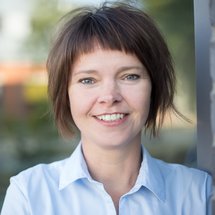
Your student counselling service
Dipl.-Päd. Katrin Peukert
Building M, Room 118, Wolfenbüttel
Do you still have questions?
Our Central Student Advisory Service (ZSB) will be happy to support you!
Building Am Exer 45, Room 003, 004 and 101 to 105
availability by phone:
Monday, Tuesday and Wednesday: 9:00 AM - 3:30 PM
Thursday: 1:00 PM - 3:30 PM
Friday and before holidays: 9:00 AM - 12:00 PM