About the project
How can circularity be made tangible in everyday life? Find out more about ZuKUNSToff’s initial questions, objectives and approach.
Making circularity tangible in everyday life
It is hard to imagine everyday life without plastics. Their versatile properties make them essential materials – from packaging and household items to applications in medicine and transport. At the same time, significant environmental impacts arise when plastic waste is not properly collected, sorted and recycled.
A functioning circular economy therefore requires more than just suitable recycling technologies. How plastics are manufactured, designed, used and disposed of is also crucial. In particular, material mixtures, contamination and ageing processes can make recycling more difficult. ZuKUNSToff addresses these challenges and explores how scientific insights into plastics and their life cycles can be made understandable and tangible in everyday life.
From research to the public
The project originated from research carried out at Ostfalia University of Applied Sciences, including work on the REVFIN and MyAfEB projects. REVFIN investigates ways to prevent, reduce and recycle plastic waste from fishing nets in Vietnamese coastal waters. MyAfEB is developing mycelium-based buoys as an alternative to conventional plastic floats in inland fisheries. The experience gained from these projects provides a technical foundation for exploring plastics, their potential applications and the challenges of circular resource use.
Through ZuKUNSToff, this knowledge was translated into a publicly accessible learning environment in collaboration with the phaeno Science Centre in Wolfsburg. The aim was to raise awareness amongst a broad audience of the opportunities and limitations of the circular economy and not only to explain scientific concepts but also to make them accessible through observation, experimentation and hands-on activities.
Learning with the mind, heart and hands
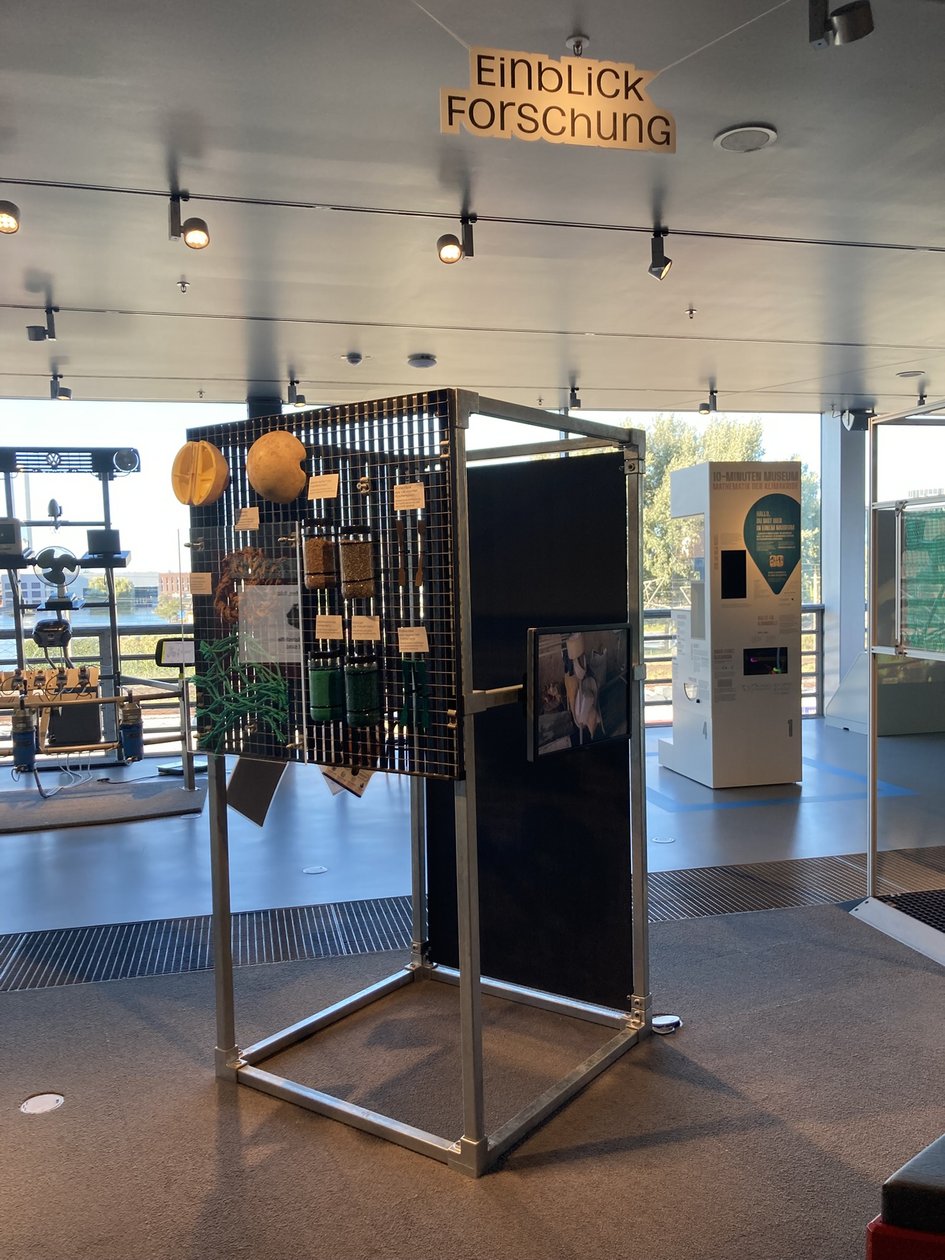
The project focuses on science communication that opens up different ways of engaging with the subject. At phaeno, visitors can decide for themselves what they would like to explore. Exhibition displays convey scientific information, hands-on experiments make the properties of materials and recycling processes easy to understand, and creative activities encourage visitors to develop their own ideas.
This combination of information, hands-on experience and creative design is intended to foster interest and knowledge. At the same time, it aims to encourage visitors to question their own assumptions and to explore possible ways of achieving a circular use of resources.
Bringing together science, design and communication
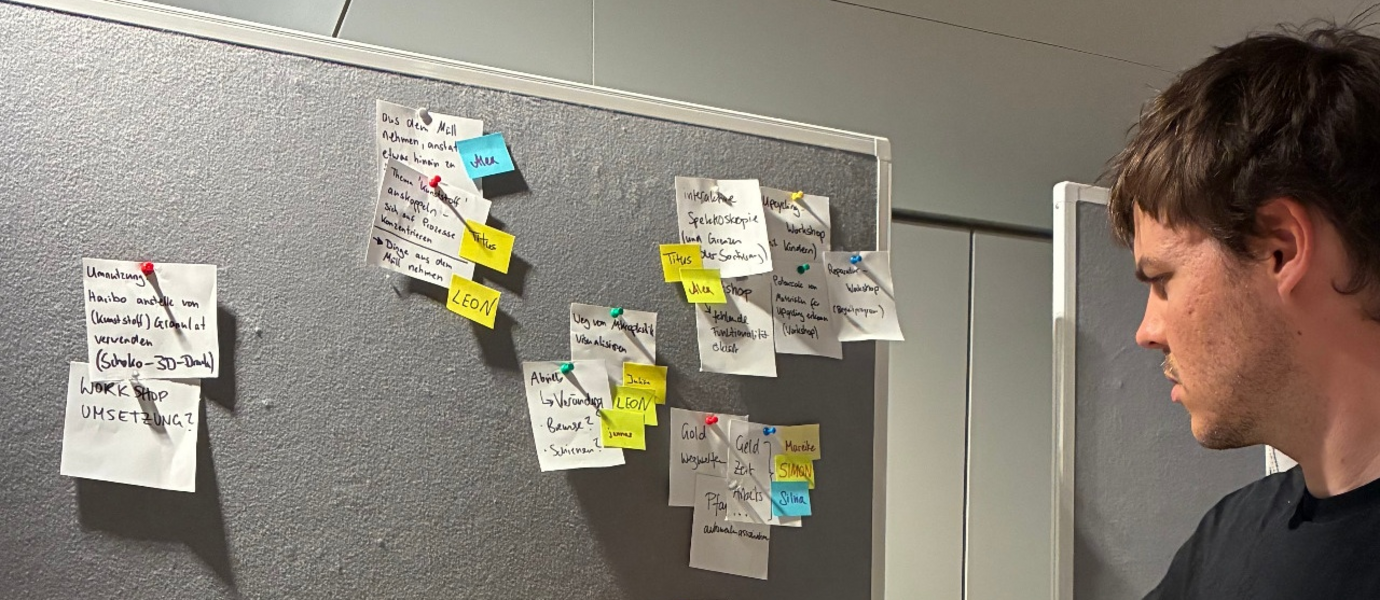
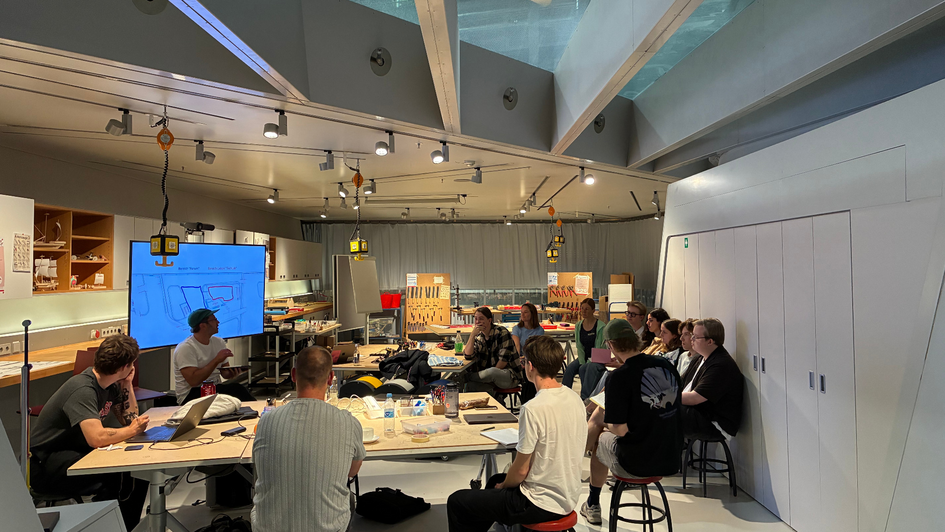
ZuKUNSToff emerged from an interdisciplinary collaboration between Ostfalia and phaeno. Expertise in recycling and materials research was combined with communication management, design and practical exhibition experience. The Interactive Media working group, as well as current and former students from Ostfalia, were also involved in developing exhibition concepts and prototypes.
This enabled scientific content to be translated into exhibits and educational programmes that appeal to different age groups and facilitate various forms of engagement. phaeno provided the practical framework in which these programmes could be tested directly with visitors and further developed.
What came of the project
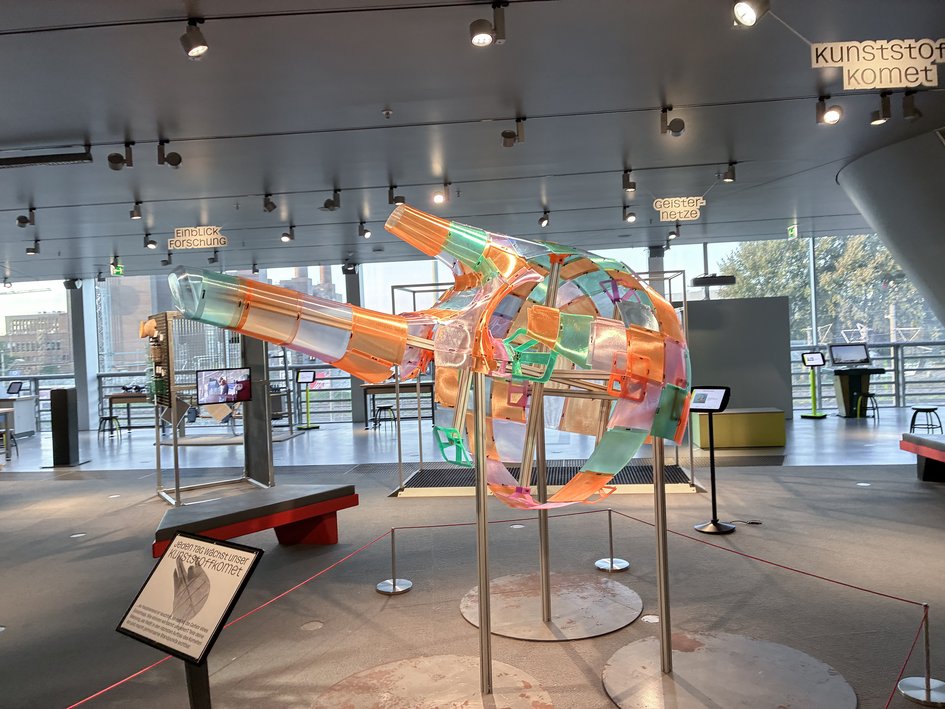
During the first funding phase, the ‘Forum Kunststoff’ was created at phaeno, featuring the ‘Plastic Comet’ and other exhibits exploring the properties, applications and challenges of this material. In addition, the ‘Zukunftslabor Kunststoff’ (Plastics Future Lab), offering hands-on experimentation, and a range of workshops for school pupils were developed.
The resulting formats demonstrate how technical issues relating to recycling can be linked with social and design perspectives. They provide a gateway to a topic that affects the everyday lives of many people whilst also raising fundamental questions about resource use, responsibility and future patterns of production and consumption.